
Our 2026 Legislative Priorities: Transit Advocacy for a More Affordable, Connected, and Resilient Minnesota
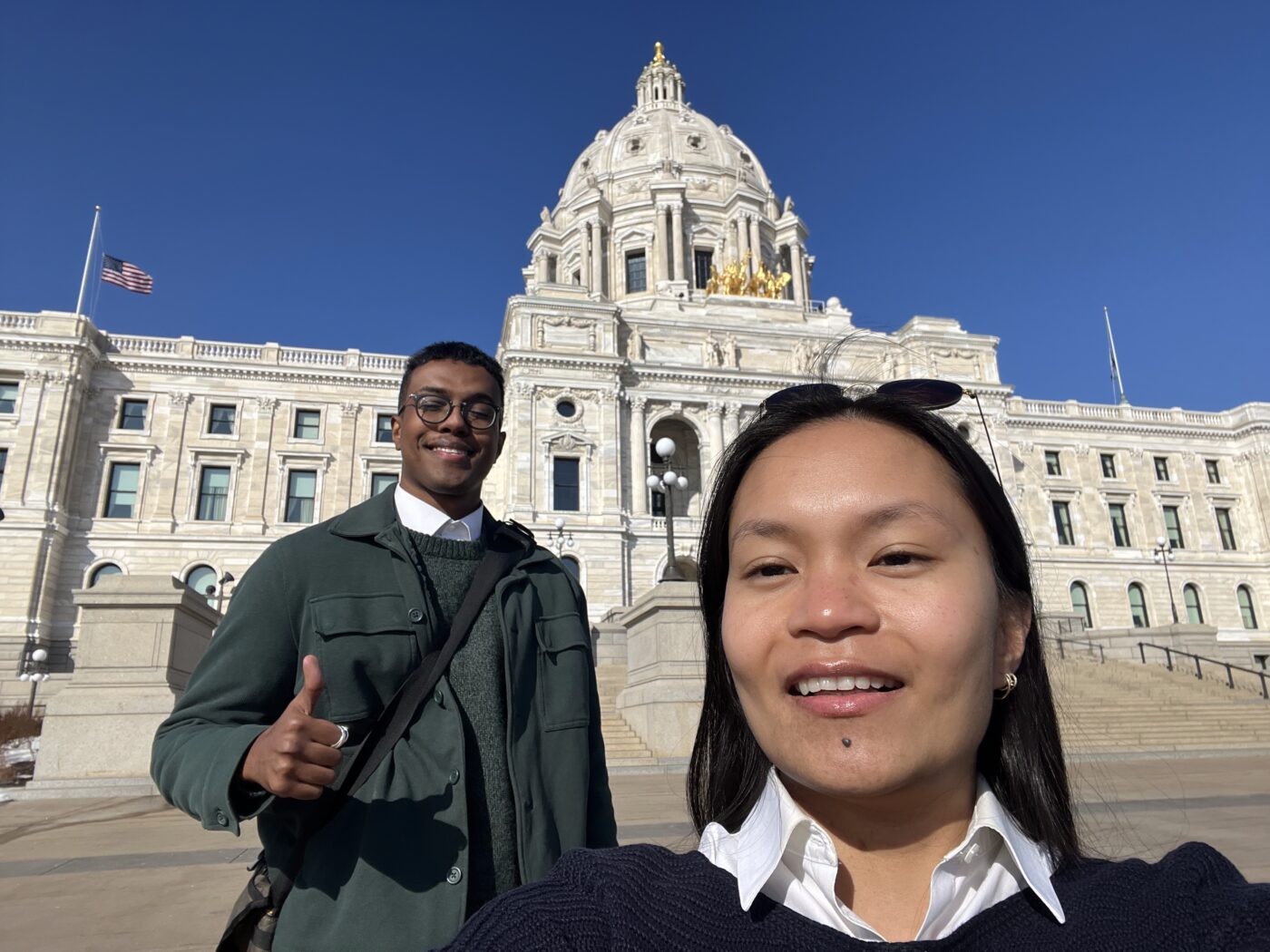
In Minnesota, we have so much to be proud of. We care for each other and our communities, and have become a north star for the rest of the nation. So it comes as no surprise that Minnesotans want a transportation system that works for everyone.
Minnesotans recognize that public transit benefits all of us, whether we personally ride it or not. We know high-quality transit strengthens our communities, improves access to jobs and resources, reduces traffic on our streets, and protects our health and our climate. And especially in these tough economic times, we value transit as one of the most affordable transportation options for many families, students, workers, and seniors—helping Minnesotans make ends meet when budgets are tight.
Through our advocacy at the State Capitol, Minnesota has made tremendous progress in recent years, passing ground-breaking policies and dedicated funding for high-quality transit. In 2026, we are working to build on those big wins with support from advocates, partners, and legislative champions because we know our efforts are building a better future for families and communities here in the Twin Cities metro and across Minnesota! As a new legislative session gets underway, Move Minnesota and Move Minnesota Action are once again calling for lawmakers to defend and expand investments in transit that are improving daily life for people of all ages, races, incomes, and abilities statewide.
Our 2026 Legislative Priorities:
BOOST COMMUTER BENEFITS FOR WORKERS
In the Twin Cities, the public transit network is expanding, providing service to many workplaces. To boost ridership and promote active transportation, lawmakers should require that Twin Cities metro employers with 50 or more employees and within one mile of regular route transit service provide commuter benefits to employees taking transit, walking, biking, rolling, or carpooling to work. We call on lawmakers to require that eligible employers offer their workers: pre-tax purchase of transit passes, the option to swap subsidized or no-cost parking for a cash payout, or a monthly stipend for biking or carpooling for work commutes. A proven policy in other states, commuter benefits would not only support job retention and economic development but also reduce traffic and improve air quality for everyone in the community.
TURN TRANSIT VISIONS INTO ACTION
Right now, one-third of Minnesotans would be more likely to use buses and trains if there were greater access to transit where they live. In the Twin Cities, dedicated funding is helping to build and maintain an equitable and accessible system that meets the needs of all community members. But we need state lawmakers to ensure the resources we’ve already invested are used well to meet people’s needs for fast, frequent, convenient service.
Currently, only 200,000 residents have access to transit routes with service every 10 minutes. Lawmakers must pass the Transit for a Resilient Metro bill that mandates that the Met Council set ambitious transit benchmarks to expand access—including 15-minute service for at least 1 million people by 2040—and create an investment framework to meet those goals.
UNLEASH NEW AND EXISTING RESOURCES TO IMPROVE PUBLIC TRANSIT
Investments in public transit are investments in the common good: cleaner air, more affordable cities, and better access to jobs, schools, groceries, healthcare, and visits with friends and family. In 2026, we are urging lawmakers to advance the transit system that our communities deserve and that future generations need to prosper in four important ways:
1. Champion Bonding for Bus Rapid Transit
Despite the rising costs of owning and maintaining a vehicle, 85% of Twin Cities residents drive because “it’s the fastest option.” Fortunately, bus rapid transit routes provide fast, convenient choices for a growing number of residents across the region. With high-quality bus shelters, quick boarding, and dedicated lanes, the BRT network is getting Minnesotans to work and other essential destinations in less time and with more reliability. To bring this high-quality bus service to more people, we call on lawmakers to provide $75 million in general obligation bonds to develop the METRO H Line between downtown Minneapolis and the east side of Saint Paul.
2. Support an Equal Share for Public Transit
Minnesotans want healthy, affordable, and sustainable transportation options—and they support policies that redirect resources to make it happen. Statewide polling shows 66% of Minnesotans support improving transportation options by “using funding from the state and federal government which would otherwise go to highway expansion.”
Today, 60% of revenue from the Motor Vehicle Sales Tax goes to highways, while only 40% goes to public transit. An equal 50-50 split would mean an extra $113 million for transit this year and millions more in future years. We are advocating for lawmakers to increase transit’s share of MVST funding to 50% and raise the portion of transit dollars set aside for Greater Minnesota from 5.7% to 10%.
As more Minnesotans struggle to afford the growing expense of owning a car, shifting MVST revenues will boost access to public transit and make daily life more affordable for Minnesota families, workers, and seniors.
3. Allow Flexible Dollars for Transit, Biking, Walking, and Rolling
Minnesotans want clean air and connected communities—but unfettered spending on highways has divided our neighborhoods and made driving the largest source of climate pollution. Right now, more than $2 billion every year of State of Minnesota transportation resources can only be used for highway projects. State and local jurisdictions should be able to flex these dollars to invest in a more sustainable transportation system that will benefit our climate and communities—today and for the next generation. To unleash these resources, lawmakers must clarify the State’s definition of highway purposes to include infrastructure for walking, biking, rolling, and public transit.
4. Expand Free Fare Pilots to Combat Food Insecurity
Transportation costs and access to safe and healthy foods are significant barriers for many Minnesotans. To reduce these expenses and help support community members who have limited or uncertain food access, we are urging lawmakers to renew Metro Transit’s fare free pilot on at least two new routes where there are the highest estimated proportions of riders considered food-insecure and significant connections to grocery stores, food shelves, SNAP/WIC eligible locations, and community meal providers.
A new pilot will build on the successes of the Metro Transit free fare pilot program implemented in 2023-2024, which saw a 26% ridership increase on Route 32 and 16.5% increase on Route 62.
PROTECT WINS FOR OUR COMMUNITIES AND CLIMATE
Our historic transit funding and policy victories over the past several years are essential for improving and expanding public transit, cutting climate pollution, and creating a transportation system that works for everyone. In 2025, we successfully fended off the worst attempts to roll back this progress, but state lawmakers still cut over $108 million in public transit funding for 2026-2029. This year, defensive advocacy to protect the transit and climate wins Minnesotans are counting on will continue to be an important part of our work at the State Capitol.
Protecting public transit protects quality of life in Minnesota, and builds a better future for our families and communities. Move Minnesota and Move Minnesota Action demand lawmakers reject legislation that would limit or reduce investments in public transit, dilute or redirect the metro-area transit sales tax, block new or existing transit projects, and chip away at Minnesota’s climate progress.
Get Involved!
Minnesotans have been through a lot lately. But we’ve also proven how powerful we can be when we stand together. We hope you’ll stay tuned for ways to be involved and make your voice heard with us throughout the legislative session. And with your help, we can win resources and policies that will make it possible for more Minnesotans to bike, walk, roll and take public transit—and create more affordable, connected, and resilient communities for us all.
For more state advocacy updates, sign up for emails from Move Minnesota Action (movemnaction.org).